

students were invested in ‘our own backyard.'

Like many university instructors, my hope is to not only spark curiosity and provoke critical thinking in my students, but to help students see the vast overlap between ‘real life’ and their expanding education.
Access to mediums like poetry and familiar topics like food allow students to forge connections between academic content and their own lived experiences. And in fact, this breaks down the perceived boundaries between personal cultural histories and academic spaces.
To that end, I’ve sought to diversify my course materials such that students can readily find themselves in the readings and viewings in the course. Simultaneously, students are exposed to different communities and cultures beyond their own.
The benefit was almost immediate:
when students saw themselves in the coursework,
they invested in it more deeply.
The benefit was almost immediate: when students saw themselves in the coursework, they invested in it more deeply. I developed a course called “Tasting Tomorrow: Portraying Culture and Futurity through the Culinary World,” an Honors seminar for first-year students in the University of Arizona's W. A. Franke Honors College that focuses on representations of food and culinary practices in popular culture, as well as how food anchors our understanding of culture. Within the course, students would encounter films, television, vlogs, articles, essays, art, as well as poetry from the Voca archive.
My students’ perspectives helped the course evolve, by tying class projects and discussions to their own histories and emphasizing Tucson’s role as a UNESCO City of Gastronomy. I realized our students were invested in ‘our own backyard,’ and Tucson’s qualities as a Borderland community provoked me to add more content and touchpoints to the course that built on the communities my students encountered in their daily lives.
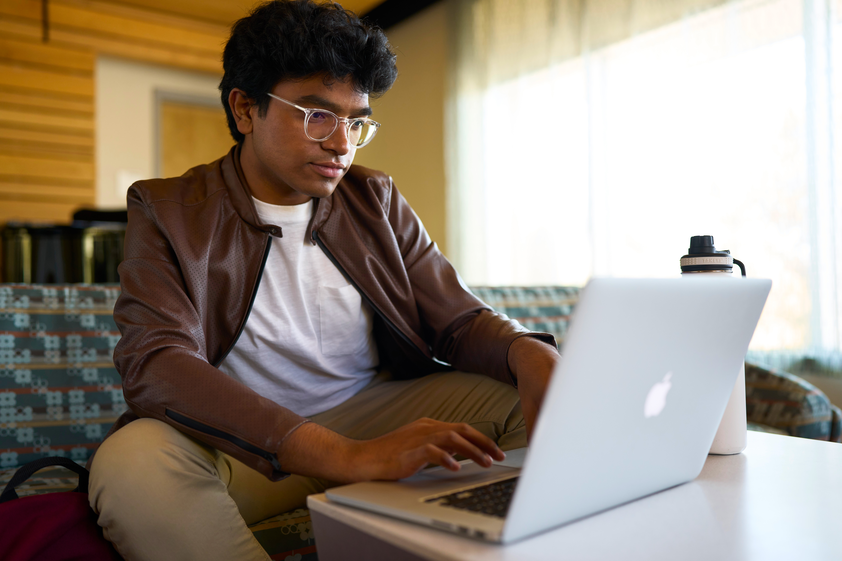
Thoughtfully integrating borderlands voices and perspectives into curriculum—particularly at an Hispanic Serving Institution like the University of Arizona—created deeper engagement and more meaningful learning experiences for students.
When I initially built out my syllabus, I had a whole week dedicated to focusing on poetry largely from Vinegar & Char: Verse from the Southern Foodways Alliance, a collection that I was introduced to at the University of Arizona Poetry Center. My focus largely was on the presence of culinary traditions within the poetry, but I hadn’t considered whether or not the authorship by dint of the collection lacked a more far-reaching series of perspectives.
I hadn't fully considered what opportunities might emerge from connecting these selections to our borderlands context – but once I made the connection, I couldn’t unsee it. Years later, The Academic Writing in the Borderlands workshop series provided an opportunity to deepen and expand this approach, primarily by considering the status of the University as an Hispanic Serving Institution and how that relates to the way we create discourse around aspects of the border, Mexican and Mexican-American identities, and the history and identities of Central Americans.
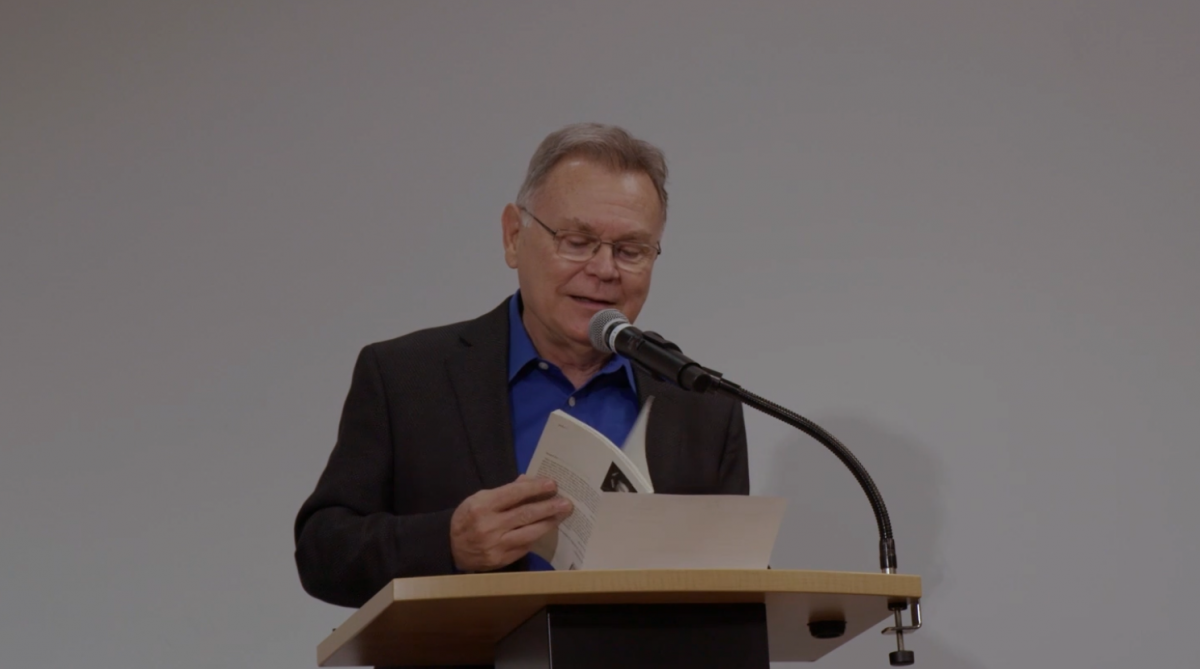
"I was still going to my grandmother's house, at least once a week, for lunch.
And my grandmother only spoke Spanish. I thought I only spoke English.
You would think we had a problem. But a grandmother and a grandson sitting down for lunch,
that's not a problem. And what we ended up doing was inventing for ourselves a third language,
a better language. She would cook, and I would eat."
So I reimagined the framing of the course. Previously I ended the semester in local-to-Tucson contexts, but I instead wanted to seed these elements earlier in the course. This one change was crucial because it helped foster student buy-in from day one, where modeling through course content helped normalize personal and cultural lenses in discussions and writing.
Poetry became a perfect vehicle for my students because it reduced the barrier between knowledge and experience. Where essays and documentary films often lean into the collective voices around a topic, poetry had a far greater intimacy while simultaneously allowing students a chance to engage in a form grounded in creative impulses. Showing how a poet could invoke personal histories while also serving as a voice for their communities was, in essence, the positionality I wanted to shift students to both within the class and once they left it. It helped, then, that I had a large series of poems to draw on from the Voca archive.
Poetry became a perfect vehicle:
it reduced the barrier between knowledge & experience.
Voca is one of the first archival collections of its kind—a fully online audiovisual archive featuring recordings from the Poetry Center's long-running Reading Series, going back more than 60 years and containing thousands of recordings of poems.
And I knew having students engage with borderlands poetry from this Tucson-made archive would extend much of what was already working so well in the course.
For instance, students watched Banana Land: Blood, Bullets, and Poison (2014) during the midpoint of the semester. I sourced this from a resource shared in the Academic Writing in the Borderlands workshop – Teaching Central America. Our conversations in discussions focused on testimonio (personal testimony as political witness) to reveal voices otherwise covered up by hegemony, as well as the limits of our own knowledge and the extent to which we bear responsibility for seeking out information as consumers.
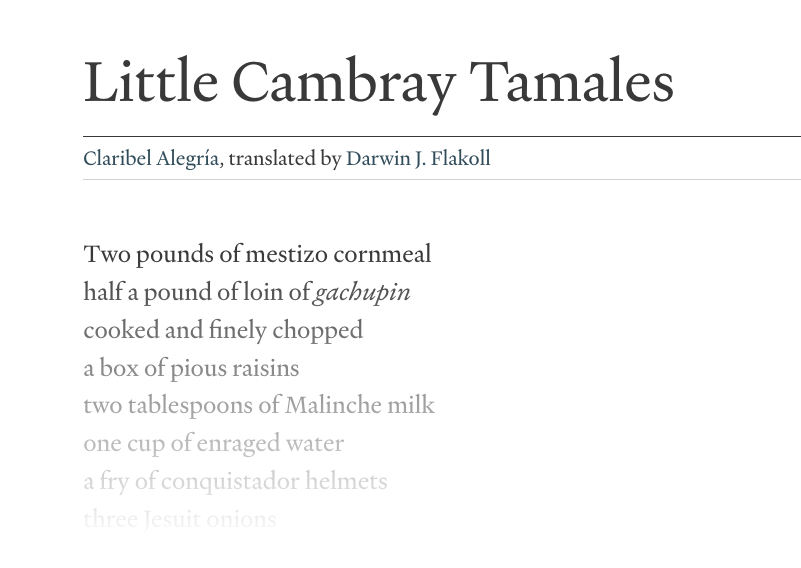
The Voca archive helped build on these discussions of food systems, power, and representation. Students read poetry from Claribel Alegria, Alberto Rios, and Natalie Diaz. Alegria’s “Little Cambray Tamales” continued, in poetry, the conversation started with Banana Land – an attempt at pulling back the veneer on our historical understanding of something as humble as a Salvadoran tamale. As one student noted when writing about Alegria’s poem, “Even though the poem talks about food, it is really about survival and remembering what has happened to the people. It is both funny and serious at the same time, using simple words to talk about deep and painful truths.”
Another important takeaway from this revision process came from a student in writing about Alberto Rios’ “Nani”:
“...the fading Spanish between them reflects a cultural gap many children of immigrants face. Food, however, becomes a way to preserve that love. In the end, the poem shows how care can be expressed without words. I relate to this deeply, growing up bilingual and often feeling closest to family through shared meals.”
By giving students these opportunities to make connections that feel grounded in a more personal understanding of topics, and to see themselves in the works they are engaging with, they can start to make connections that reduce the boundary between one’s own cultural histories and the academic spaces they are in. Observing these student responses has led me to reflect on how this curriculum revision process transformed not only my course but my own pedagogical approach.
giving students opportunities to make connections
that feel grounded in a more personal understanding of topics, to see themselves in the works they are engaging with
I discovered that introducing borderlands perspectives earlier and more substantively created opportunities for students to deploy critical thinking skills that they then carried throughout the semester. The integration of these new poems, with their emotional resonance and cultural specificity, allowed discussions about food systems and cultural identities to move from abstract concepts to concrete lived experiences.
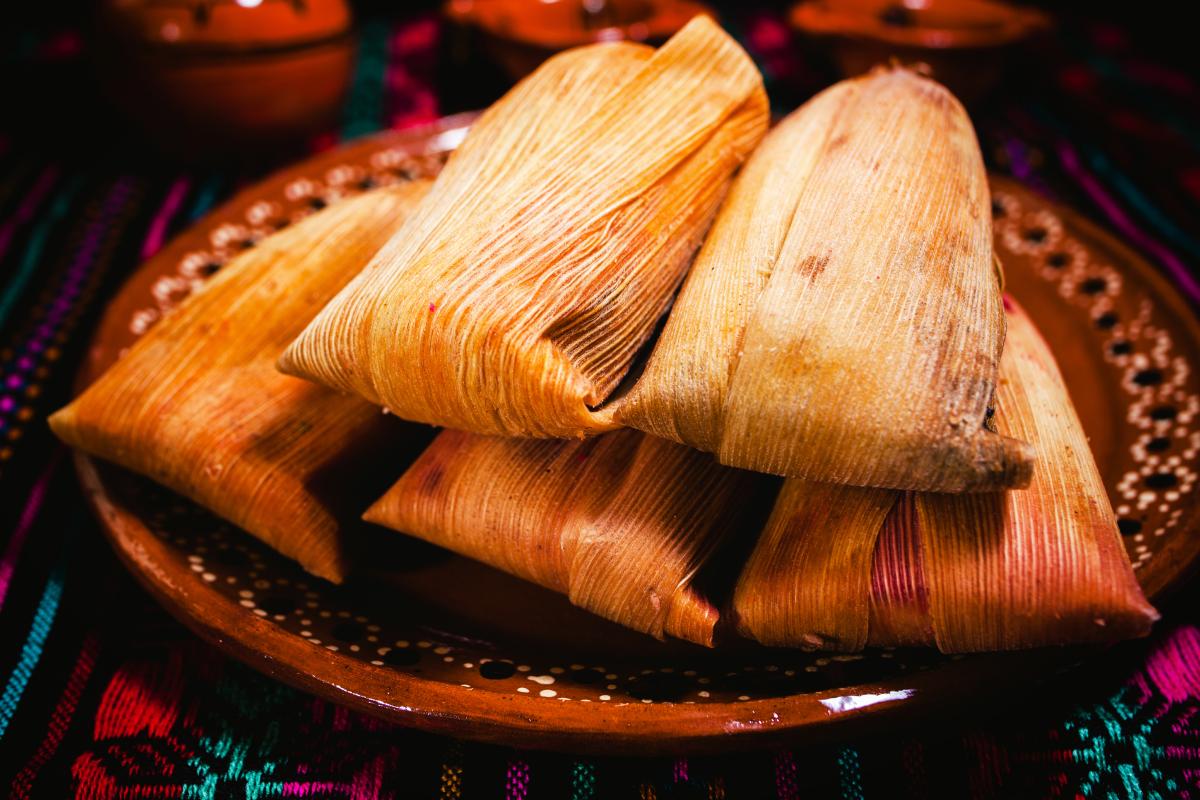
Given our current sociopolitical climate, normalizing conversations around access to basic needs feels like an added benefit to this positionality. This course has evolved over the course of the COVID Pandemic to the most recent suspension/delaying of SNAP benefits to families in need of food, which means food (as a vehicle for academic conversations) continues to be a concrete and unavoidable everyday reality.
Because it directly impacts students, our course material becomes more real, more relevant, and more applicable in and out of the classroom.
As an educator, I've come to see that my responsibility to students extends beyond diversifying content—it involves creating opportunities for students to recognize and value the knowledge embedded in their own communities and experiences—since they too now inhabit them.
_____________
Joey Nardinelli is an Assistant Professor of Practice and the Assistant Director of UNIV 301 with the W.A. Franke Honors College and the Office of General Education at the University of Arizona. He previously worked as a senior lecturer with the University of Arizona Writing Program and as a summer educator for the Writing Skills Improvement Program’s Young Writer’s Institute, both of which allowed him to continue teaching poetry in higher education classrooms. He is also the co-author of the chapter “Times like These: Supporting First-Year Students and Contingent Faculty through a Campus Polycrisis” in the forthcoming Campus Crisis Toolkit from SUNY Press.