

In a home where emotions and feelings were prisoners,
I found freedom in pen and paper.

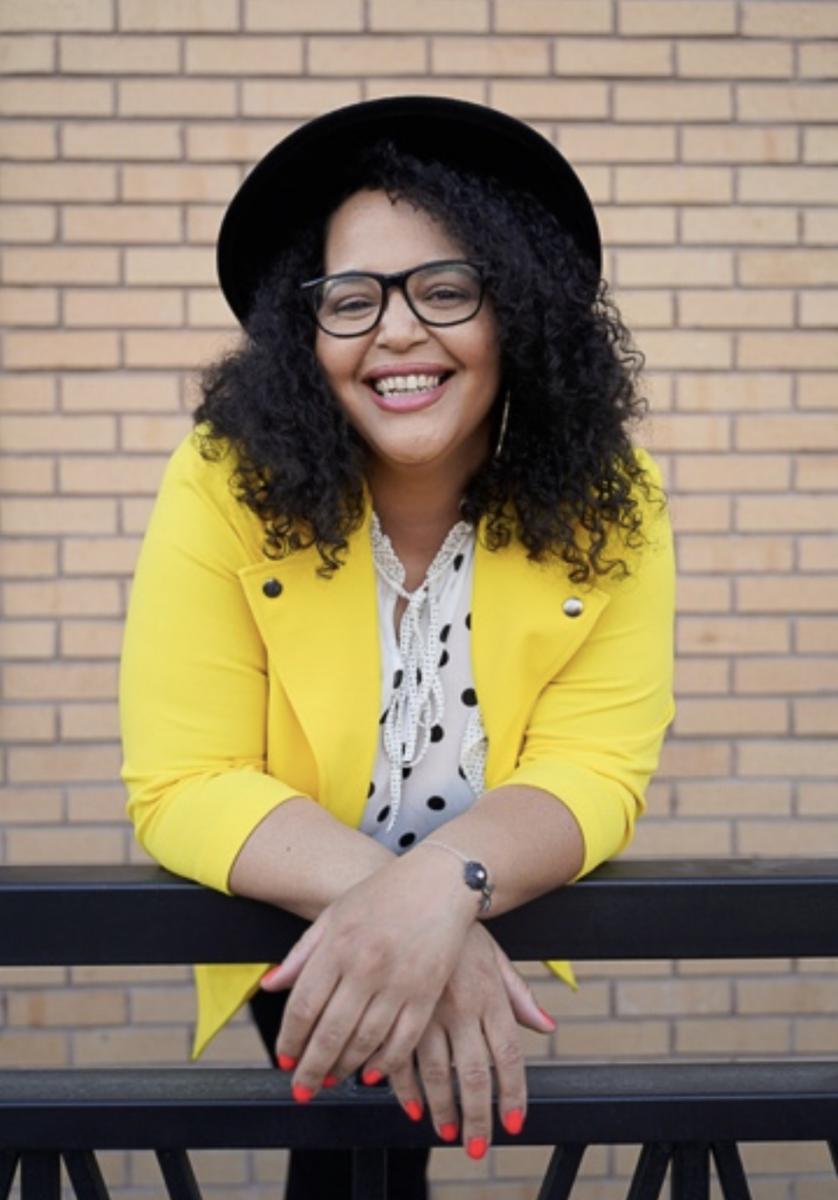
Some voices don’t just write poetry; they carry it, live it, and use it to heal others in the process. Vanessa Williams, known as “Poetic V,” is a California-raised, Las Vegas-based poet, teacher, spoken word artist, and author whose work is rooted in truth, faith, and transformation. With more than ten poetry slam wins, performances across eight states, and stages including TEDx, South by Southwest, and the Las Vegas Book Festival, she has built a powerful presence that extends far beyond the mic. Through her writing and her book Poetically Affirmed, she uses her own life experiences to give voice to the voiceless and remind others that even grief has purpose, and healing is always within reach.
__________________
Can you share a bit about your journey as a poet—what drew you to poetry and how your craft has evolved?
My poetry journey began at the age of 10 in my 5th-grade writing class. The assignment was to write a poem about “Home.” Before this moment, I had never written a poem, so I was a bit nervous. An A+ and framed poem hanging in my room like an award later, something in me “clicked.” I found myself writing all the time. Short stories, poems, free writes, etc. In a home where emotions and feelings were prisoners, I found freedom in pen and paper.
A year later, I joined a Performing Arts Ministry Group called Tribe of Judah World Outreach, where we traveled all over the world telling people about God through dance, step routines, and POETRY! I was able to encourage and help others through my experiences.
In 2017, my mother passed away, and poetry shifted again. Tears filled pages more than words did, and I was reminded of how much I need to write. Understanding how important it is to release what is inside in order to really heal.
In 2018, I moved to Las Vegas from Southern California, where I was introduced to poetry again. Not just for therapy or helping others, but also as a career. I get paid for this now! Lol. But in all seriousness, there's nothing like getting paid for something you love to do.
In April 2021, I wrote and published my first book, “Poetically Affirmed”: A collection of ‘I Am’ poems to affirm you daily. I was dealing with so many emotions and I knew I wanted to be better than I was, so I wrote myself into the place I wanted to be. My poetry continues to evolve as I do, and sometimes before me. As if I am catching up to the poems.
What poets make up your "literary family tree"? In other words, which poets or poems have been most meaningful to you as a writer of poetry?
My literary family tree includes poets like Patricia Smith, Ebony Stewart, Rudy Francisco, Maya Angelou, and Ariana Brown. What draws me to each of them is their ability to tell the truth with both vulnerability and strength—to write in a way that moves people long after the poem ends.
What does your writing process look like? Are there inspirations or experiences that guide your poetry?
My writing process happens in two ways. One, getting a lightning stick of inspiration from something I've heard or seen, and I have to immediately write it out. Or two, having a topic I am passionate about and making time to write. I have fallen in love with editing. For a long time, I would never edit my poems. However they came out, that's what it was. Wild! I know. But now, I see how a poem really comes alive as it's dissected. Most of my writing comes from life experiences. Not to sound corny, but my life is my inspiration. From faith to love to women's rights, injustice among the black community, etc. It all comes from my heart to the ears and eyes of whoever is willing to listen and read. I know if I am facing something, someone else is as well, so let me write to uplift us both.
Which of your works do you feel most deeply represents your voice, and what themes or messages are central to your poetry?
I have a poem entitled “Eulogy for the Living.” It is so easy to only focus on what we have lost, who has left us, and where the holes are. But I realized in doing this, we miss who and what are still standing next to us. This poem is a thank you to my father and represents the raw emotions of grief, while not making it an idol where nothing else matters.
Going through this, my faith was and still is being tested. I realized how little grief is talked about in Church. Or when it is talked about, it's met with a “just pray on it, you'll be alright.” But what happens when sorrow sucks the life out of you, and you can’t pray? I wasn't alright, and I wasn’t going to pretend. I began to write the truth about grief and faith. Telling the truth and giving hope. This has become the main focus of my poetry and ties in so many other topics such as identity, value, world views, etc.
Are there recurring symbols, metaphors, or motifs that continue to appear across your body of work? What draws you back to them?
I often use ocean or water metaphors. When it comes to the ocean, I love its duality.
Calm yet can cause chaos. Can birth and destroy life. It is my favorite place on earth. My mom used to call me a ‘fish’ because once I was in that water, I wasn't coming out. We had that in common. Once she passed, her ashes were spread in the ocean, so now it's the place I feel most close to her. Water reminds me of the Holy Spirit, and many times in spiritual texts, his characteristics are those of water.
How intentionally do you build visual landscapes within your poetry?
For a long time, I just wrote. Whatever I felt, that was it. Didn’t even edit most of the time. I know; blasphemy. But now I want people to see the poem, not just hear it, and visuals make emotions tangible. If I’m talking about heartbreak, I don’t just want the audience to understand pain — I want them to feel like they’re standing inside the room where it happened. Imagery for me is one of the biggest parts of my writing process now. I think in scenes first. It’s like a movie. I often ask myself, “What does this emotion look like, sound like, smell like?” before I write. Whether it’s comparing grief to a cracked bone healing wrong or faith to being held underwater and still breathing, I use visual language to make abstract emotions easier to connect to.
How do music, culture, memory, or personal history influence the texture and tone of your poetry?
Music, culture, memory, and personal history shape every poem I write. I grew up understanding that stories carry power, and poetry became the place where my experiences, my faith, and my community could all meet. The rhythm of spoken word, gospel, and everyday conversations all find their way into my work.
I don’t write just to tell my story—I write so someone else can find themselves in it. My poetry is rooted in healing, restoration, and purpose. Every piece is an opportunity to turn memory into meaning and remind people that even the hardest chapters can become part of a greater testimony.
Is there a particular poem in your collection that challenged you technically or emotionally? What made it difficult to complete?
I am currently writing a poem called “Who Told You God was White?” I’m very passionate about using my poetry to lead people to God, or at least curious enough to listen to the whole poem. This piece is so important to me because the narrative in most people's minds is that Christianity is a white man’s religion used as a weapon for manipulation and control. But that’s just not the truth. My desire with this piece is to provide factual information and evidence, while expressing God's heart for all. I want to be sensitive yet bold, truthful yet tactful. I’m excited and nervous.
As a Black woman poet, how have you navigated visibility and recognition in the literary world? Have there been specific challenges or breakthroughs?
Living in a city like Las Vegas, visibility and recognition as a black poet have actually been attainable. I truly believe this is because of so many black poets before me and the work they have done. When it comes to academia and publishing outside of Vegas, however, the hurdles are there. In 2024, only 5-6% of authors are black, and even a smaller number of those writers are poets. This is why articles like this are so important. We must be encouraged to write, submit, and publish despite rejection. And this has been my stance for years. The world will see and hear us whether they like it or not.
How do you see your work contributing to broader conversations about Black identity, womanhood, or contemporary culture?
My work contributes to these conversations because it unveils another side of the stories already being told. Like another patch in a quilt of black importance, my work brings comfort, warmth, and value to all who experience it, especially when it comes to black women and grief. There is such a notion that the black woman must always remain strong, in control, never tired or weary. But the truth is “Black Women Grieve.” My work gives a voice to those who are too busy or ashamed to speak.
How has building relationships within literary communities or collaborating with other artists shaped your work and career?
I owe 90% of my career to connecting with communities and collaborating with other artists. Before coming to Vegas, I never knew any of this was possible. Now the possibilities are endless. So many of the features, shows, and opportunities I have been awarded come from a connection or someone mentioning my name when I wasn't in the room. The way we are able to come together, learn from one another, and expand the reach of poetry is a poem all by itself. I have learned the power of connection and truly believe we were never meant to do this on our own.
What makes a powerful slam poem? What makes slam different from poetry on the page?
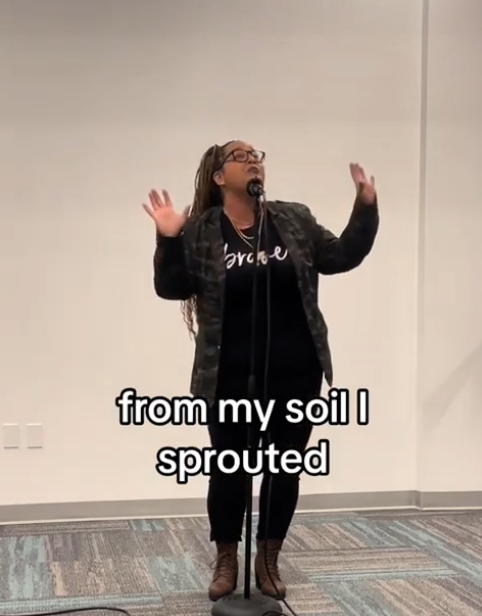
When I think of Slam poetry, I think of written poetry coming alive. It is no longer words echoed in your own voice as you read, but it has hands, feet, and a heartbeat you cannot ignore. Slam poetry gives the written words, without sounding cliché, a voice. It allows the poet to explore different tones and expressions of a poem. Experimenting with character and even adding theatrical elements. To me, slam poetry takes the limits off the artist.
What guidance would you give to emerging Black women poets who are trying to find their voice, gain visibility, and make an impact in today’s literary landscape?
First thing you must know beyond any doubt that would try to speak to you, whether inward or outward, your story is needed! There are hundreds of black women poets, but God only created one you. Secondly, gaining inspiration from other poets is vital and powerful, but do not think you must sound or write like others to be accepted or seen. The world needs your authenticity. Thirdly, become a master at this craft. Never stop learning, growing, and perfecting. And lastly, have fun! Remember why you write. Enjoy the journey and know somebody is being changed by your vulnerability!
_____________
Vanessa Williams AKA “Poetic V” is a California raised, Las Vegas living Poet, teacher, spoken word artist and author. She has won over 10 poetry slams and has written and published her own poetry book Poetically Affirmed. Poetic V has had the privilege of being a featured artist in over 8 states and 30+ events, including the Las Vegas Book Festival, Miss Nevada African Pageant, 3x Utah Arts Festival performer, South by South West performer and a Tedx presenter.
Lillie Mae is a Brand Strategist, media contributor, and visibility expert dedicated to helping women elevate their voice, brand, and influence. She has been featured as a contributor to Sheen Magazine, Rolling Out Magazine, HelloBeautiful.com, BlackLove.com, and more, using storytelling and strategic media to amplify impactful narratives. Through her platform and membership at HerVisibility.com, she creates opportunities for women leaders and creatives to expand their reach through podcast interviews, speaking engagements, and brand exposure. Connect with her on Instagram at Instagram.com/iamLillieMae.